Browse Items (9335 total)
Sort by:
Rhus lancea
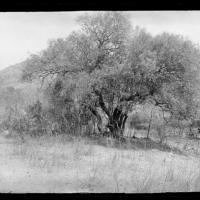
A photograph of rhus lancea, a beautiful shade tree valuable for shade, timber, and forage.
Beautiful foliage
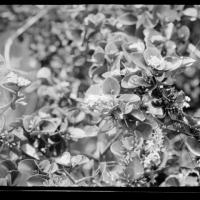
A photograph of carissa bispinosa, detailing the flowers and leaves. The shrub has fragrant flowers and small fruit.
Sclerocarya caffra
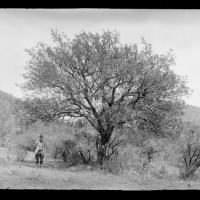
A photograph if sclerocarya caffra, morula, or Kafir bos. It is an attrative tree, thats fruit is edible and valuable for jams and the nut is very rich in oil. Dr. I.B. Pole-Evans is standing next to the tree.
Dichrostachys nutans
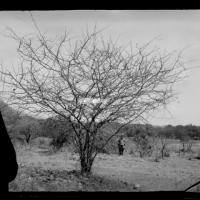
A photograph of a dichrostachys nutane or also cailliea nutans, known as Cyclebos, a valuable ornamental tree. The tree is termite-resistant and the seeds are valuable for tannin. Dr. I.B. Pole-Evans is standing in the background.
Combretum salicifolium

A detailed photograph of a thick grove of combretum salicifolia. A fine river tree which produces an excellent gum.
Asclepias fruticosa

A photograph of asclepias fruticosa on the bank, tall plant in the back is ricinus. This photograph is taken near the Magaliesburg, which separates the high veld from the low veld.
Sorghum

A photograph of a sorghum or a mabele that is called in Sesuto "kobo-khobo", "kohobata", or "seboene"
Sorghum

A photograph of a sweet sorghum, it's native name being ntsoe. Its height is about 4-5 feet and is said to be indigenous in Basutoland.
Sorghum
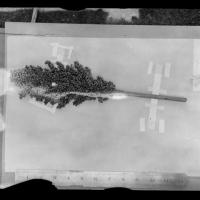
A photograph of sorghum from near the Phuthiatsane river, known among the Basotho as mothus.
Sorghum

A photograph of a pakollane variety of sorghum.
Sorghum

A photograph of a seghobane variety of sorghum.
Sorghum

A photograph of a mosothi variety of sorghum.
Sorghum

A photograph of sorghum, known under the Sesuto name Lejakane. This red sorghum is said to be a degenerate and is no longer called mabele, which is the generic name for Kafir corn.
Sorghum

A photograph of sorghum, known under the Sesuto name Lejahane because it is regarded by the Basotho as a degenerate type. It is a name of derision given by the Basotho to those of their own people who have adopted Christianity.
Sorghum

A photograph of sorghum vulgare grown by the Basotho, known under the Sesuto name as Letsoeyene.
Themeda grassland
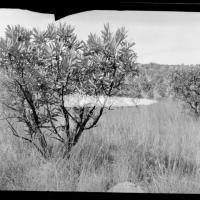
A photograph of themeda grassland with protea abyssinica.
Themeda forskalii
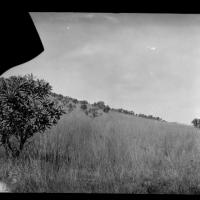
A photograph of the themeda grassland with a few plants of protea abyssinica. This photograph was taken on the hills opposite the government buildings.
Grassland
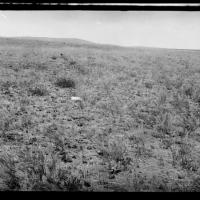
A photograph of grassland after burning. It shows a growth of the deep-rooted or storage-rooted plants such as elephantorrhiza burchellia, indiogofera hilaris, hypoxis obtusa, and clerodendron triphyllum.
Typical Themeda grassland

A photograph of typical themeda grassland and a hill in the background covered with grass and protea abyssinica.
Grassland
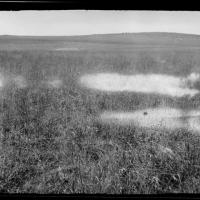
A photograph of the grassland dominated by themeda forskalii, a tall, bunch-like cover about 2 1/3 to 3 feet high.